



The marble table arrived safely, half depending on logistics and half on packaging
Everyone in the marble furniture industry knows that the most nerve-wracking part isn't production—it's shipping. No matter how shiny the countertop or how clean the edges, once it enters the transportation phase, a single jolt or a forklift collision can instantly ruin thousands or even tens of thousands of dollars worth of goods.
The same goes for buyers. Spending a fortune on a natural marble dining table, waiting for half a month only to find a crack or a chipped corner upon unboxing—it's hard to stomach for anyone. What's worse is that natural stone veins and transport-induced cracks look almost identical, often leaving responsibility disputes unresolved.
Therefore, when it comes to transportation safety, while choosing a reliable logistics company is crucial, the real determinant of whether goods arrive intact is the packaging. A standard cardboard box with a few layers of foam is more than sufficient for ceramics, but it won't hold up when transporting dozens or even hundreds of kilograms of marble.
一、Why Marble Furniture Needs to Be Encased in Wooden Boxes?
Marble is heavy and brittle. Its weight stems from high density, while its brittleness results from the inability of natural stone to withstand concentrated impact. Vibrations during transportation, stacking pressure, and handling bumps can all cause it to crack. The shortcomings of cartons are evident: insufficient load-bearing capacity, leading to box collapse; weak puncture resistance, where a single strike from a sharp object can directly damage the interior tabletop.
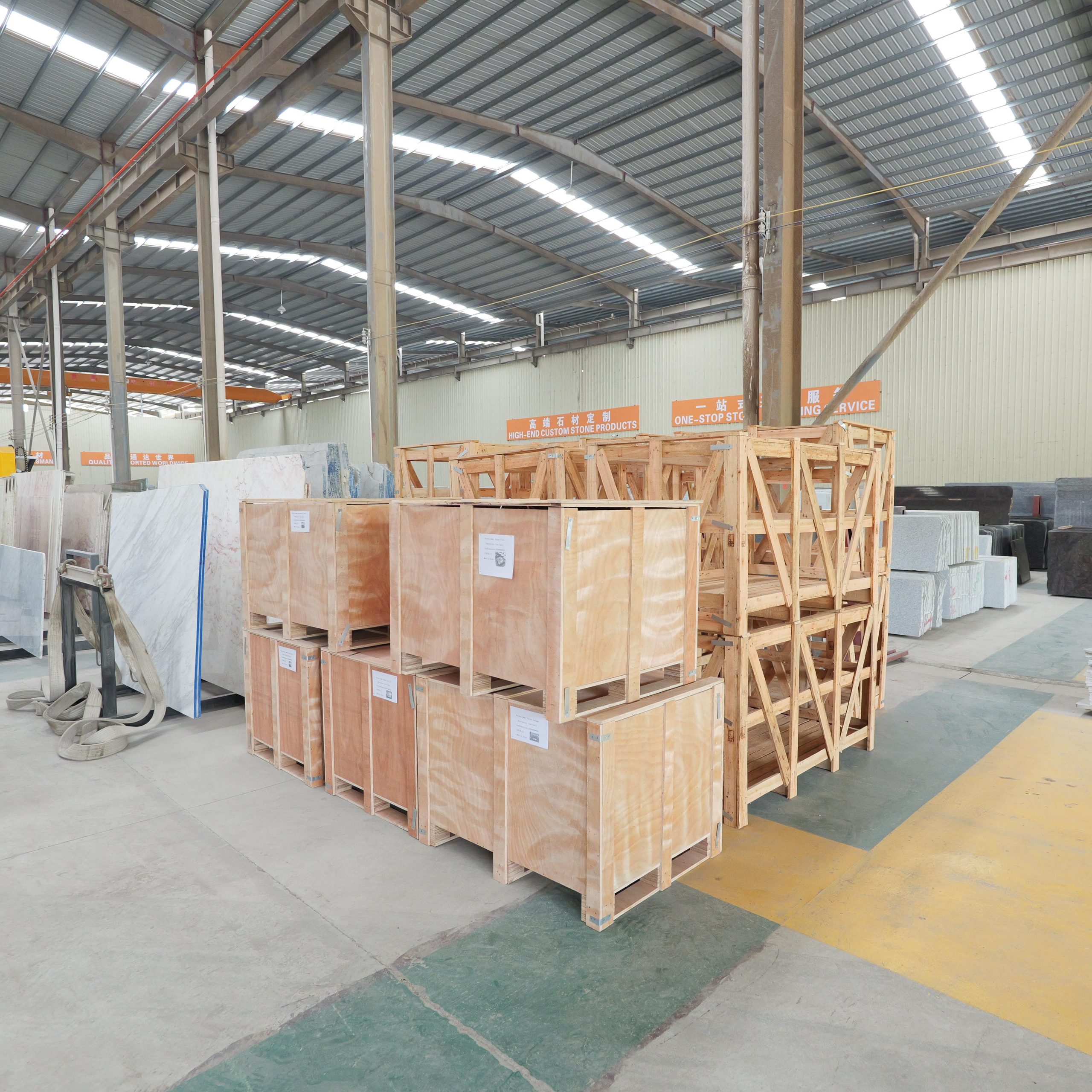
Custom wooden boxes can address both issues simultaneously, with three key benefits.
- Customized per piece, never compromised
Standard cartons are made in common sizes, which can easily fall short when dealing with irregular designs. Marble dining tables come in round and square shapes, with long tabletops and thick bases, each having different centers of gravity. Wooden crates can be constructed by framing according to the actual dimensions and stress points of individual furniture pieces, bearing the load where necessary and leaving space for cushioning where needed. This is something universal cartons cannot achieve. - Fast production, no delays in delivery
Some worry that making wooden crates might delay shipments, but the production period is actually very short: small to medium-sized crates usually take about two days to complete, while large ones take at most five days. Only when handling large bulk orders would the timeline be extended accordingly. Compared to the compensation and disputes arising from shipping damages, these two days of effort are well worth it. - Load-bearing and impact resistance are unmatched by cardboard boxes
Taking the common 1000×1000×1100 mm wooden crate as an example, its load capacity can reach 800 to 1000 kilograms, easily accommodating a marble table. The wood itself has resilience, ensuring the crate won't crack or deform under normal transportation conditions. Unless subjected to extreme external force impacts, the tabletop surface is virtually free from risk.

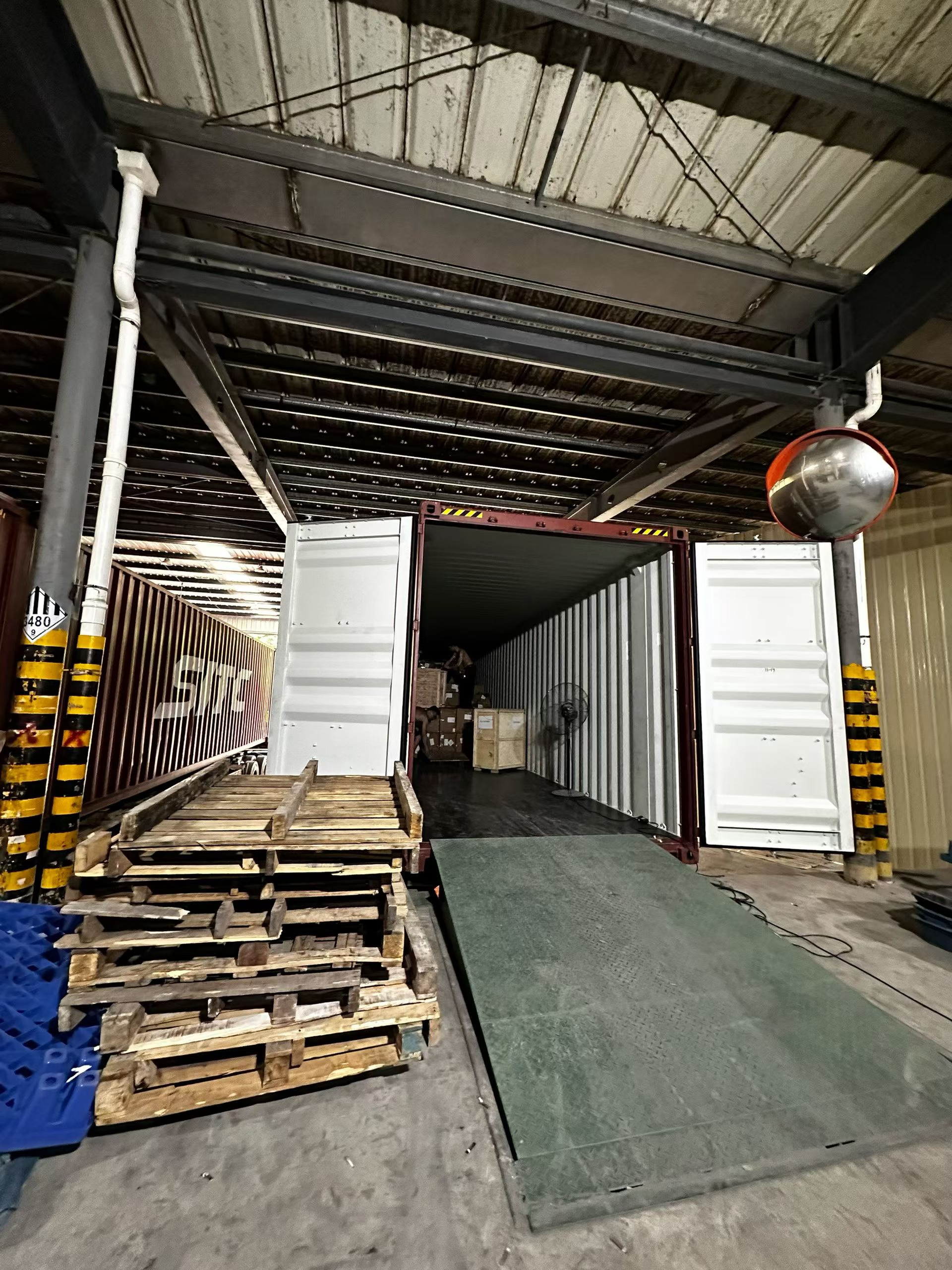

二、Key Steps in Packing Marble Tables
The wooden box is merely the shell; what truly determines safety is the meticulous packing process inside. If this step is not done properly, no matter how sturdy the box is, it's all in vain.
Place it vertically, do not lay it flat. Marble countertops must be packed vertically; laying them flat is the most taboo method. During transportation, when vibrations occur, flat boards experience concentrated stress at the center, making them most prone to cracking from the middle. The correct approach is to stand the countertop upright or slightly tilt it and secure it against an A-frame support inside the box, allowing it to "stand" throughout the entire transportation process.
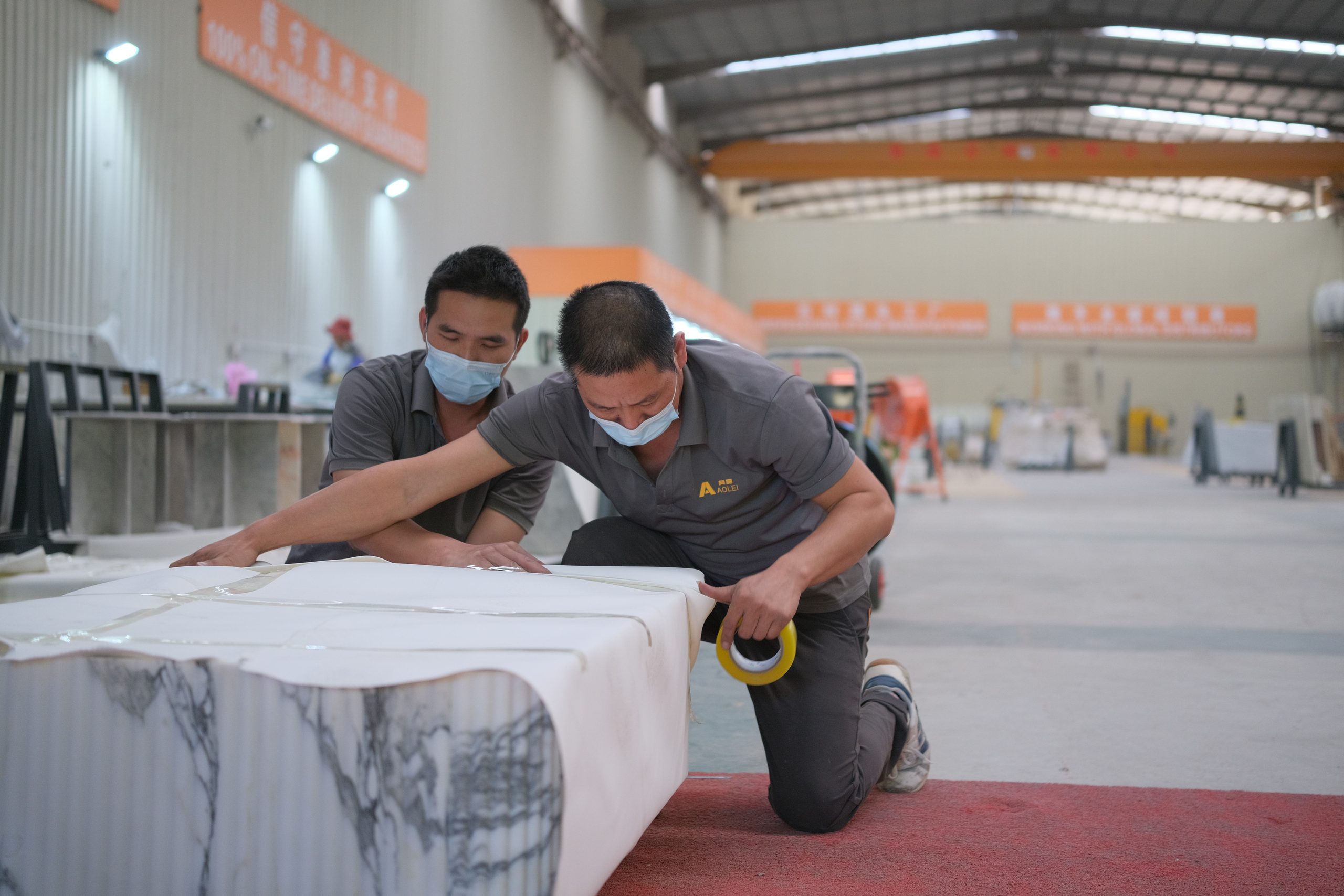
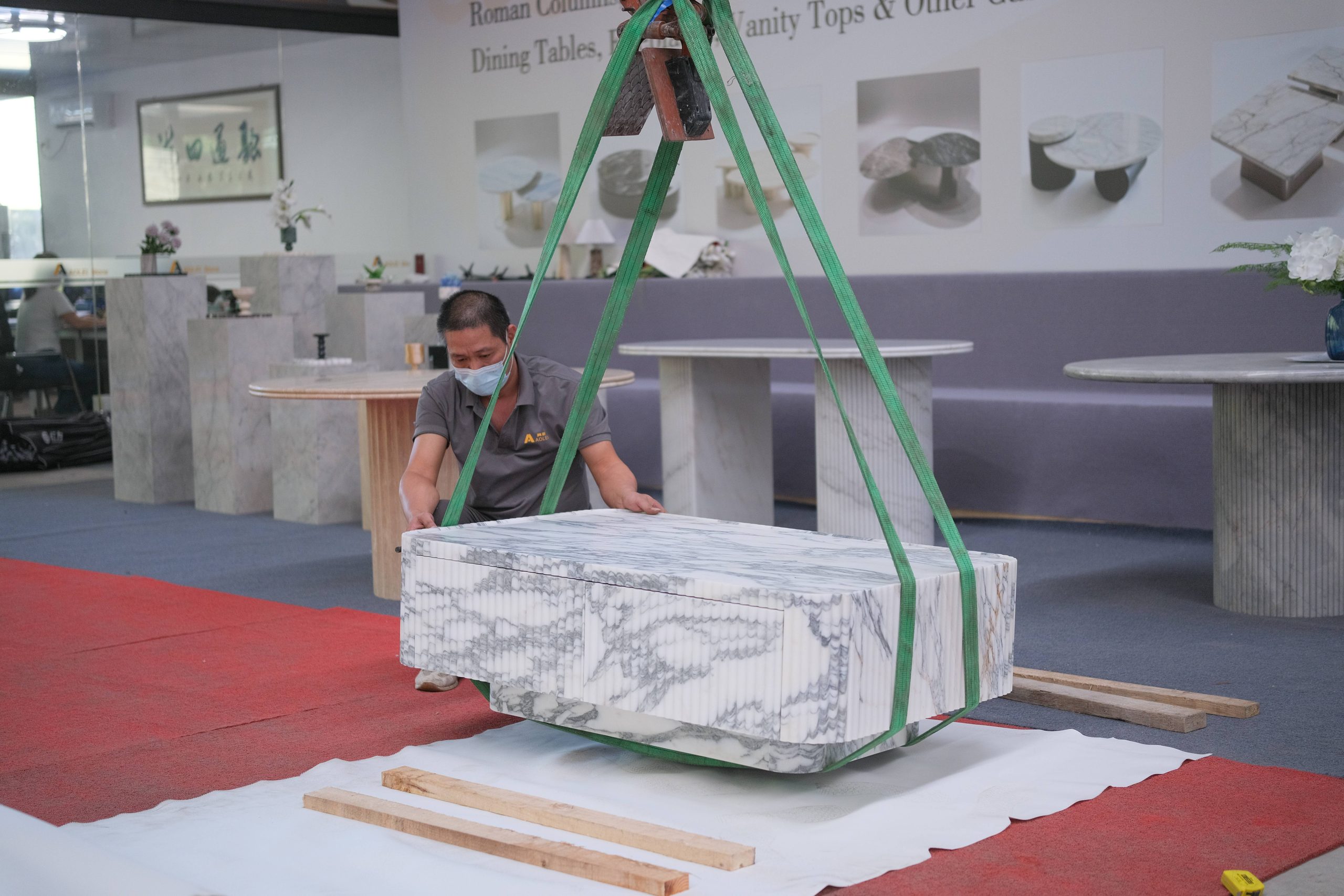
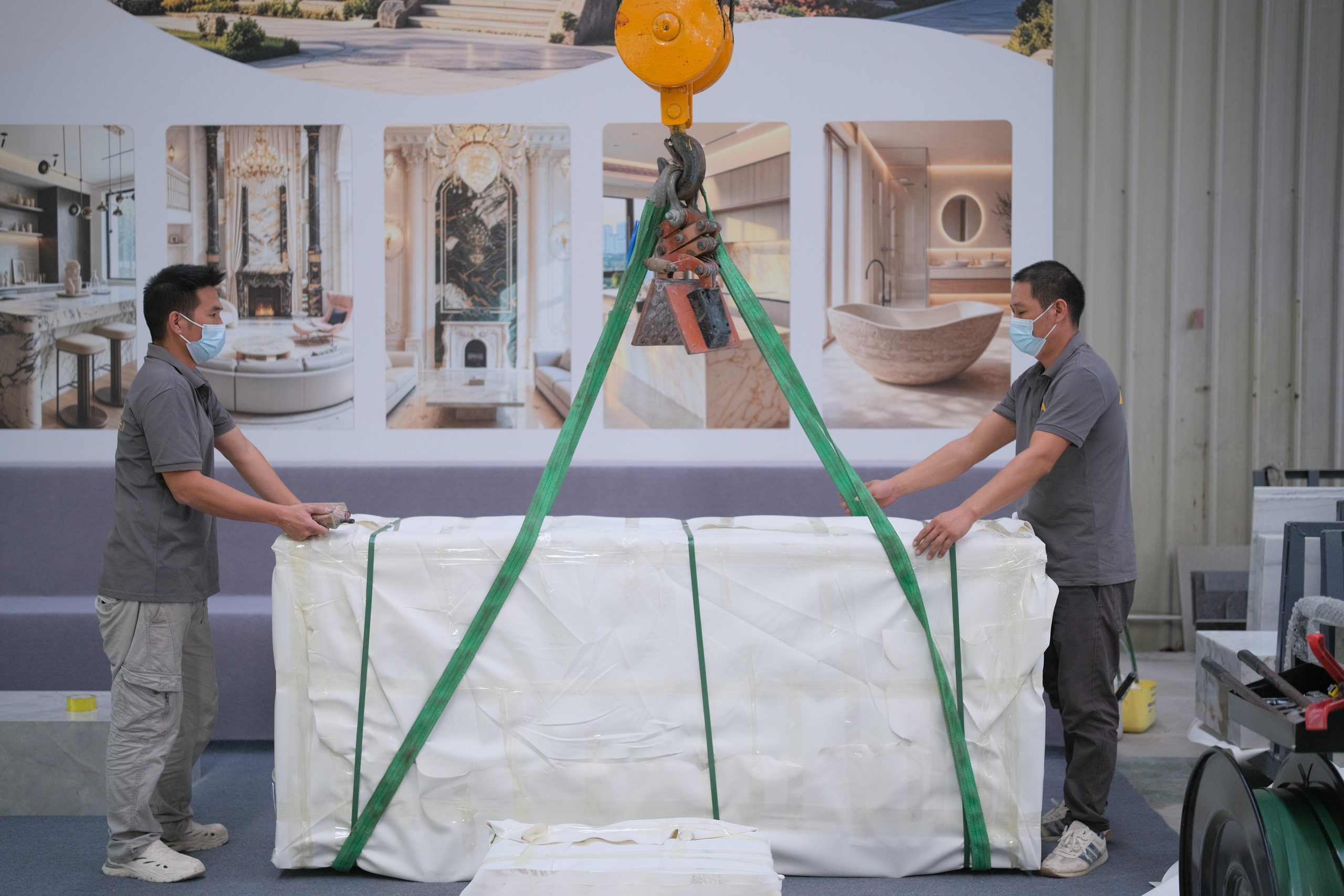
First, wrap the tabletop with a layer of PE foam. Before packing, fully cover the tabletop with wear-free high-density polyethylene foam to prevent surface scratches. Corners and edges are the most vulnerable areas prone to damage, so apply separate corner guards for added protection.
Secure it in place with straps. After wrapping, firmly fasten the countertop to the internal framework of the wooden crate using heavy-duty strapping to ensure it remains completely stationary. No matter how sturdy the crate is, if the contents inside can still shift, it’s as good as useless.
三、 Buyers should be extra cautious when receiving goods
If you are the buyer, the packaging is not entirely under the seller's control, and the receiving process can also help you avoid many troubles.
Before placing an order, ask directly about the packaging—whether it's a wooden crate or a cardboard box, and if there's cushioning or securing inside. Clarify these details before ordering. A seller who pays attention to packaging is usually more dedicated to their products.
When receiving the goods, take photos first and then sign. If the outer packaging is visibly damaged, do not rush to sign. Open the box and inspect it in front of the logistics personnel. If there are issues, reject the goods directly or follow the claims process. If problems are discovered after signing, the responsibility becomes unclear.
After unboxing, distinguish between natural stone veins and cracks. Natural marble inherently has grain patterns, and some fine natural veins may appear as cracks but are actually normal. The key points to check are through cracks, chipped corners, and missing chunks. If unsure, take photos and send them to the seller for confirmation—reputable vendors will provide a solution.
After all, the safe transportation of marble furniture depends equally on packaging and inspection. As long as these two aspects are handled properly, the rest can be left to logistics.